
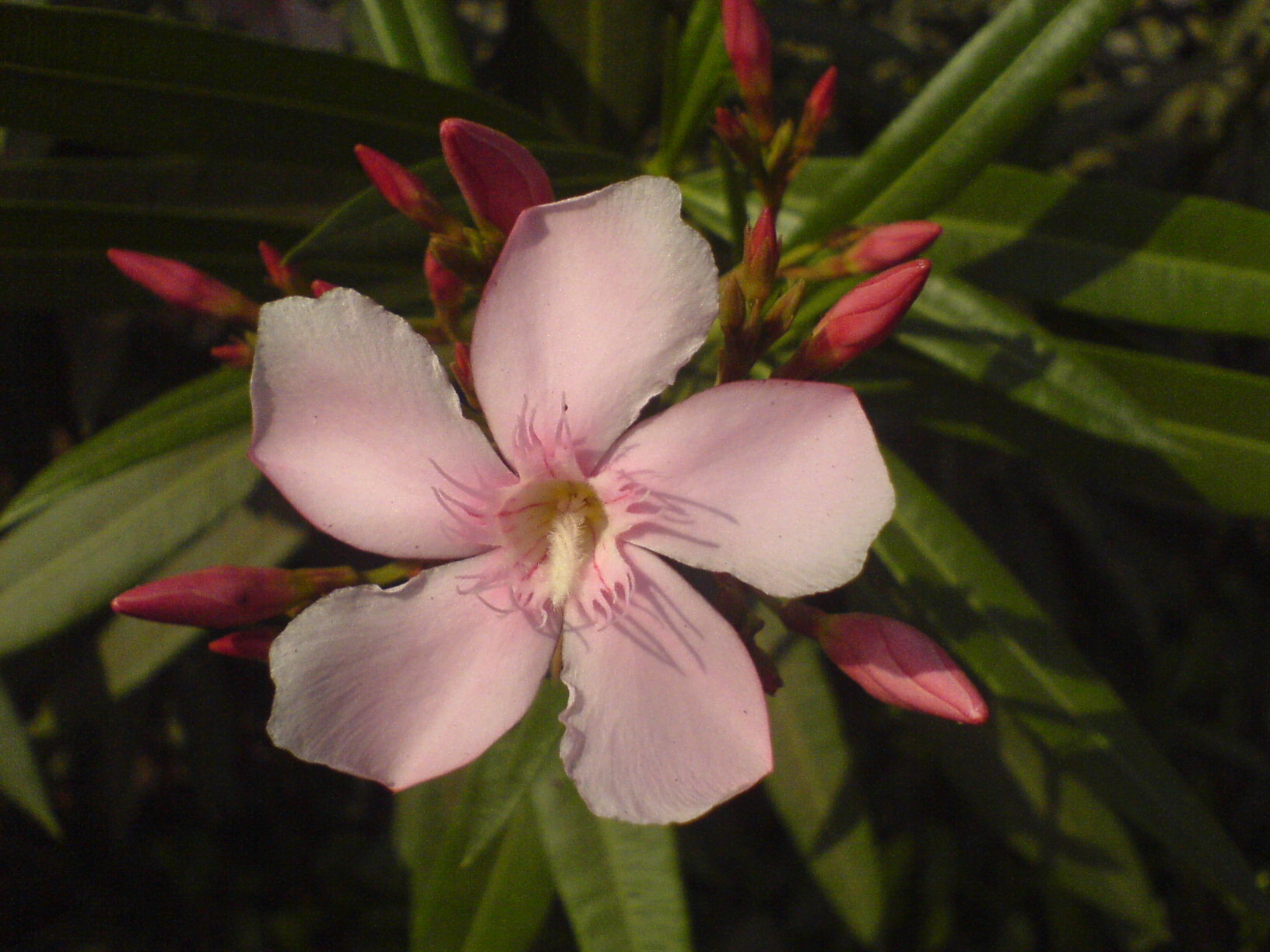
|
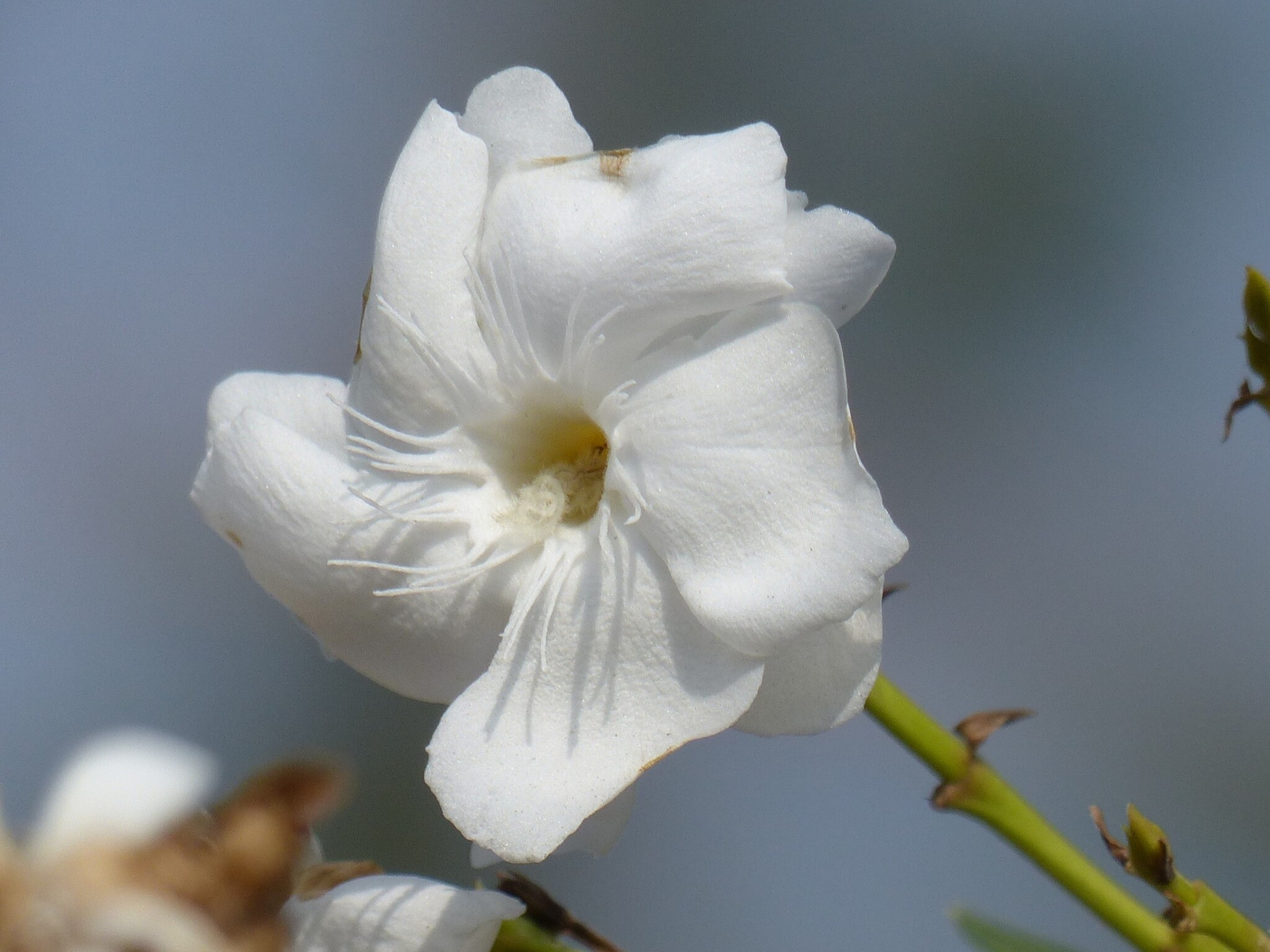
|
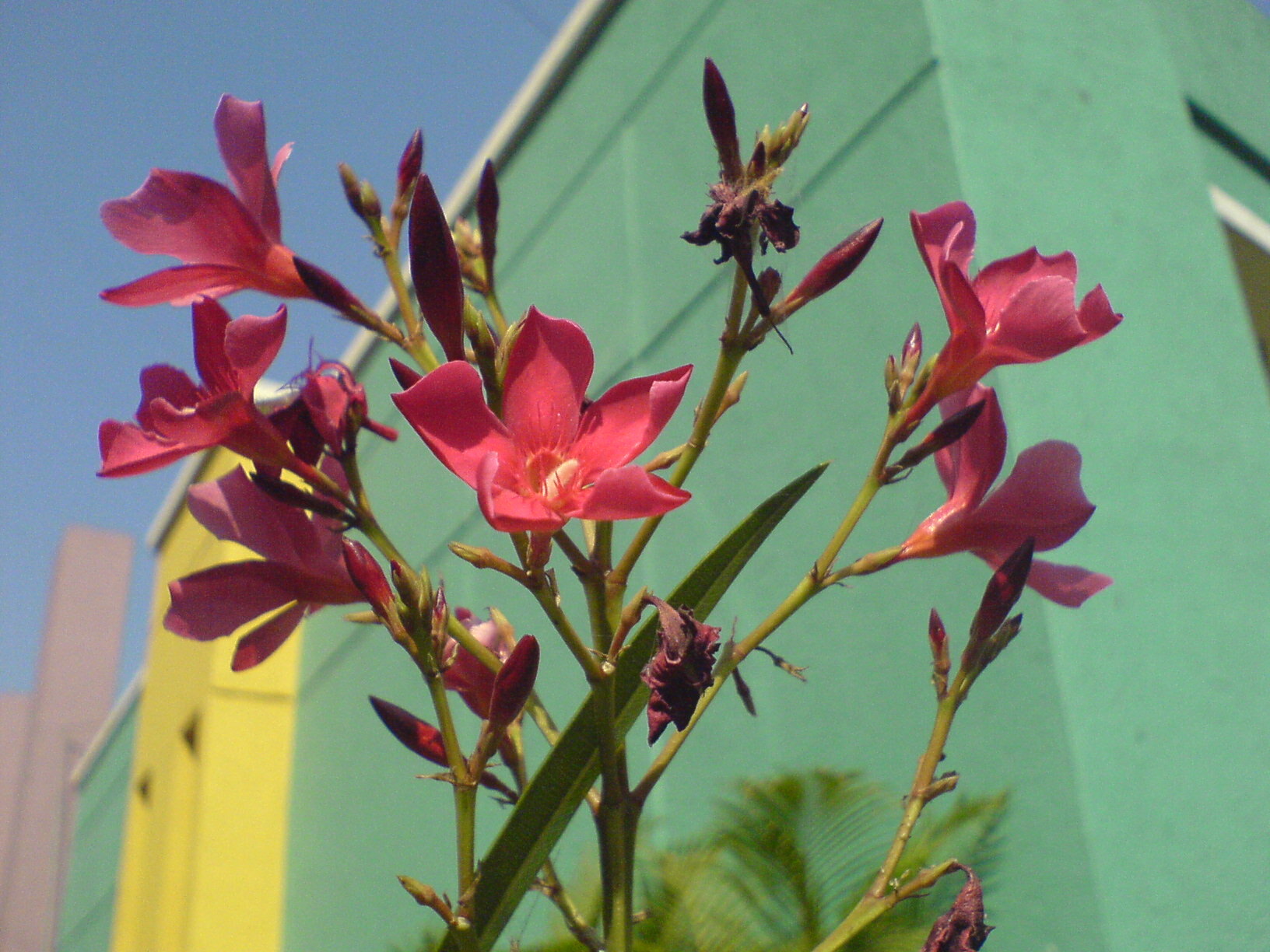
|
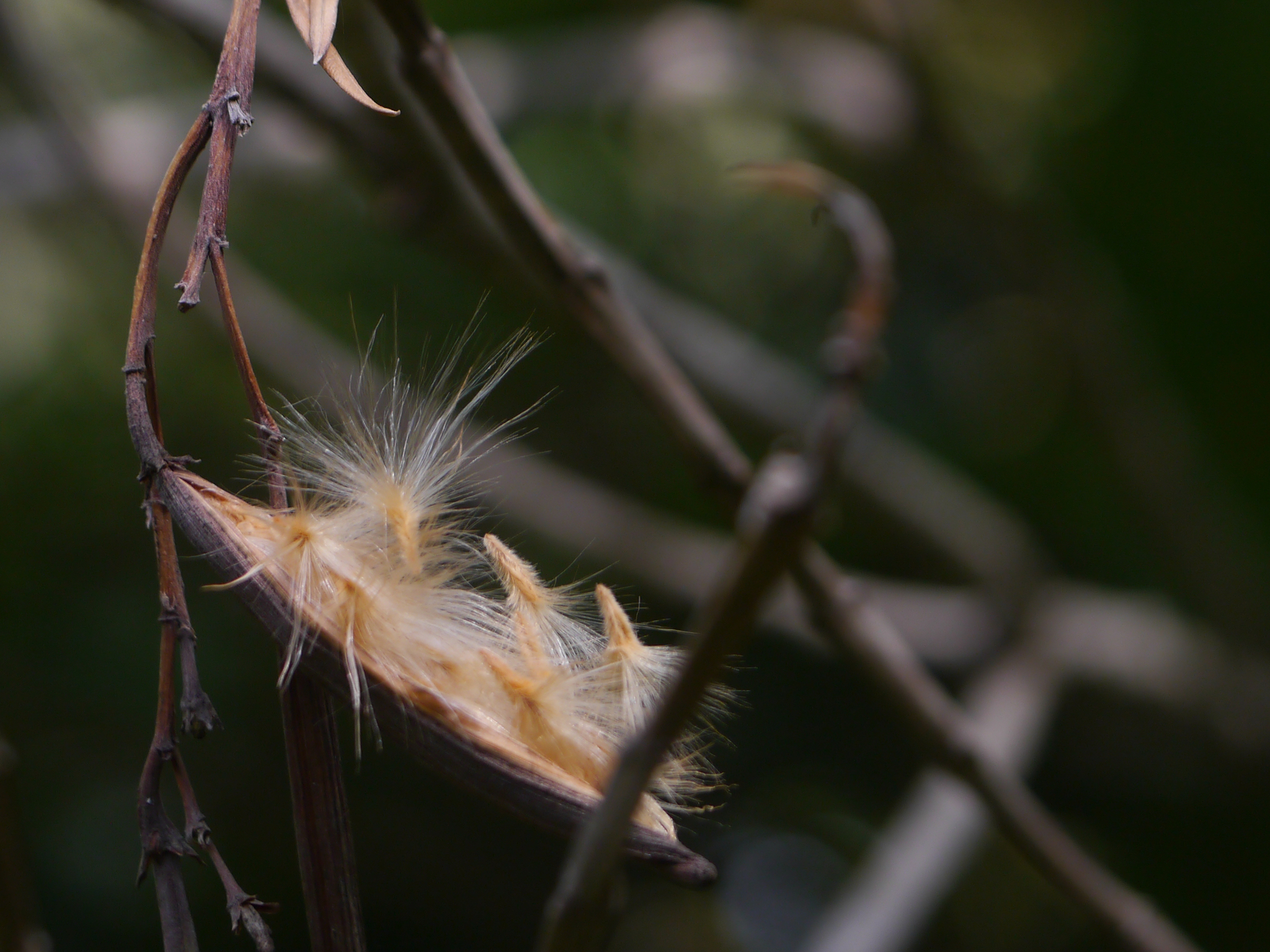
|
NER-ee-um -- Greek: nerion (Oleander) ... Dave's Botanary
oh-lee-AN-der or OH-lee-an-der -- olive-like ... Dave's Botanary
commonly known as: oleander, sweet-scented oleander • Arabic: دفلى dafla, سم الحمار sammu-l-himar • Assamese: কৰবী korobi, কৰবীৰ korobir • Bengali: করবী karabi, করবীর karabira • Dogri: सुहा गंडीला suha gandila, सुहा गनीहरा suha ganihara • Gujarati: કણેર kaner, કરેણ karen • Haryanvi: कनेर kaner • Hindi: कनेर kaner, करब्बी karabbi, करवीर karavir, ललदंबु laldambu, प्रतिहास pratihas • Kachchhi: લાલ કરેણ lal karen • Kannada: ಗಣಿಗಲು ganigalu, ಕಣಲಿಗೆ kanalige, ಕಣಿಗಿಲೆ kanigile • Konkani: धवी कणेरी dhavi kaneri, कणेरी kaneri • Kumaoni: कनपूरी kanpuri, कनुर kanur • Malayalam: അരളി arali, അരളുക araluka, കണവീരം kanaviram, കരവാളം karavaalam • Manipuri: ꯀꯕꯤꯔꯩ kabirei • Marathi: कण्हेर kanher, करवीर karavir • Mizo: kananpar • Nepali: करवीर karaveer • Odia: ହୟ ମାରକ haya maraka, କରବୀ karabi, କରକ karaka, କୁନ୍ଦପୁଷ୍ପ kundapushpa, ରକ୍ତପ୍ରସବ raktaprasaba, ରକ୍ତପୁଷ୍ପ raktapushpa, ରକ୍ତାଶ୍ୱାରି raktashwari, ଶତକୁନ୍ଦ shatakunda, ଶତ କୁମ୍ଭ shatakumbha, ଶ୍ୱେତ କରବୀର shweta karabira, ଶ୍ୱେତପୁଷ୍ପ shwetapushpa • Pahari: घनीरा ghanira, कनेर kaner, करबेर karber, कुरुवीर kuruvira • Pali: कणवीर kanavira, करवीर karavira • Persian: خرزهره khar-zahra • Punjabi: ਗੰਦੇਰੇ gandere, ਕਨੇਲ kanel, ਕਨੇਰ kaner • Rajasthani: कणेर kaner • Sanskrit: अश्वघ्नः ashvaghna, अश्वमारकः ashvamaraka, चण्डात chandata, दिव्यपुष्प divyapushpa, गौरीपुष्प gauripushpa, हरप्रिय harapriya, हयमारक hayamaraka, हयारि hayari, करवीर karavira, लगुड laguda, नखराह्व nakharahva, पिण्डबीज pindabija, प्रतिहास pratihasa, रक्तकरवीर raktakaravira, रक्तप्रसव raktaprasava, रक्तपुष्प raktapushpa, रविप्रिय ravipriya, शकुन्द shakunda, शतकुम्भ shatakumbha, शतकुन्द shatakunda, शतप्रास shataprasa, शितिकुम्भ shitikumbha, श्वेतपुष्पक shvetapushpaka, स्थलकुमुद sthalakumuda, तुरङ्गारि turangari, वीरक viraka • Santali: ᱨᱟᱡ ᱵᱟᱦᱟ raj baha • Sindhi: جَنگيِ گُلُ jangi gul, جَوْرُ jauru • Tamil: அலரி alari, செவ்வலரி cevvalari, கரவீரம் karaviram, கஸ்தூரியலரி kasturiyalari, கவிரம் kaviram, குங்குமவலரி kunkumavalari, வெள்ளலரி vellalari • Telugu: ఎర్ర గన్నేరు erra ganneru, గన్నేరు ganneru, హయమారకము haya-mara-kamu, కరవీరము karaveeramu, కస్తూరి పట్టె kasthoori patte, వాడగన్నేరు vada-ganneru • Tibetan: ཀ་ར་བི་ར ka ra bi ra • Tulu: ಕರವೀರೇ karaveero • Urdu: کنير kaner, کربي karabbi, کروير karavir, للدمبو lal-dambu, پرتہاس pratihas
known for / parts made use of: the flowers, the roots and root bark, the leaves, the milky latex / sap ... compiled from the web.
botanical names: Nerium oleander L. ... heterotypic synonyms: Nerium indicum Mill. • Nerium odorum Aiton ... and more at POWO, retrieved September 28, 2026
known for / parts made use of: the flowers, the roots and root bark, the leaves, the milky latex / sap ... compiled from the web.
TAXONOMIC NOTE
Nerium odorum :: Aiton versus Solander
Nerium odorum :: Aiton versus Solander
While modern taxonomic portals like POWO index this synonym under Aiton (who formally published it in 1789), historical regional literature and Indian lexicons heavily use the alternative author citation Nerium odorum Soland. (or Sol.). This honours the original manuscript descriptions by Daniel Solander before the name was formally printed. Both terms point directly to the same sweet-scented Asian lineage. ... compiled from the web.
Bibliography / etymology / notes
Links listed as references in the notes below, may not remain valid permanently. Portals / websites have a tendency to re-organize / revise their content, leading to change in URLs of pages in their site. Some sites may even close down at their own will. The bits about the languages of India mentioned below are merely some bare facts gathered from the internet; just enough to satisfy curiosity about "where" could the listed names be best prevalent in India. All English transliterated names to be taken sensu amplo.
~~~~~ ENGLISH ~~~~~
written and spoken widely, in most parts of India
oleander (or Indian oleander)
- Flowers of India ... (accessed: September 26, 2026)
- Pandanus Database of Indian Plants — Seminar of Indian Studies, Faculty of Arts, Charles University, Prague, Czech Republic. ... (accessed: September 30, 2026)
sweet-scented oleander (or fragrant oleander)
- for Nerium odorum Aiton ... U N Kanjilal, P C Kanjilal, A Das, R N De - Flora of Assam - Vol III
- for Nerium odorum Aiton ... Dalgado, Daniel Gelanio. Flora de Goa e Savantvadi: catalogo methodico das plantas medicinaes, alimentares e industriaes. Portugal, Imprensa Nacional, 1898. ... (downloaded: 21 Sept 2020)
- for Nerium odorum Aiton ... Praharaj, G.C. Pūrṇṇachandra Orḍiā bhāshākosha: a lexicon of the Oriya language. Cuttack: Utkal Sahitya Press, 1931-1940.
- for Nerium odorum Aiton ... Campbell, A., of the Santal mission A Santali-English dictionary Pokhuria, India : Santal Mission Press, 1899
- for Nerium odorum Aiton ... Winslow, Miron. A comprehensive Tamil and English dictionary of high and low Tamil. Madras: P.R. Hunt, 1862.
- for Nerium odorum Aiton ... Platts, John T. (John Thompson). A dictionary of Urdu, classical Hindi, and English. London: W. H. Allen & Co., 1884.
- Pandanus Database of Indian Plants — Seminar of Indian Studies, Faculty of Arts, Charles University, Prague, Czech Republic. ... (accessed: September 30, 2026)
~~~~~ ARABIC ~~~~~
written in: Arabic (عَرَبِيّ) ... spoken in: various states of India ... Wikipedia
دفلى dafla (or دفلة defla)
- ويكيبيديا - الموسوعة الحرة ... Wikipedia - The Free Encyclopedia ... (accessed: September 30, 2026)
- Grasproot — Safety-first herbal encyclopedia ... (accessed: September 30, 2026)
- FRLHT's ENVIS Centre on Medicinal Plants ... (accessed: September 30, 2026)
سم الحمار sammu-l-himar
- FRLHT's ENVIS Centre on Medicinal Plants ... (accessed: September 30, 2026)
- Pandanus Database of Indian Plants — Seminar of Indian Studies, Faculty of Arts, Charles University, Prague, Czech Republic. ... (accessed: September 30, 2026)
~~~~~ ASSAMESE ~~~~~
written in: Assamese (অসমীয়া) ... spoken in: Assam, Arunachal Pradesh, Meghalaya
কৰবী korobi, কৰবীৰ korobir (or কৰবীস korobix)
- XOBDO - Your gateway to multilingual knowledge and resources ... (accessed: September 30, 2026)
~~~~~ BENGALI ~~~~~
written in: Bengali (বাংলা) ... spoken in: West Bengal, Assam, Jharkhand, Tripura, Andaman & Nicobar Islands
করবী karabi
- for Nerium odorum Aiton ... Biswas, Sailendra. Samsad Bengali-English dictionary. 3rd ed. Calcutta, Sahitya Samsad, 2000.
- for Nerium odorum Aiton ... PRAIN, DAVID - BENGAL PLANTS - VOL. II
- colour variants: রক্তকরবী raktakarabi = red, crimson oleander | শ্বেতকরবী swetakarabi = white oleander
করবীর karabira
- for Nerium odorum Aiton ... Biswas, Sailendra. Samsad Bengali-English dictionary. 3rd ed. Calcutta, Sahitya Samsad, 2000.
~~~~~ DOGRI ~~~~~
written in: Devanagari (डोगरी) ... spoken in: Jammu & Kashmir ... spoken by the Dogras
सुहा गंडीला suha gandila, सुहा गनीहरा suha ganihara
- for Nerium indicum Mill. ... Many thanks to OM Prakash Vidyarthi for help with these names ... facebook
~~~~~ GUJARATI ~~~~~
written in: Gujarati (ગુજરાતી) ... spoken in: Gujarat, Dadra & Nagar Haveli, Daman & Diu
કણેર kaner, કરેણ karen
- for Nerium odorum Aiton ... વનસ્પતીઓ ના ગુજરાતી તથા બોટનીકલ નામ ની યાદી :: સંકલન કર્તા વૈધ શ્રી કે,જે,ઝાલા ... (downloaded: 19 Jan 2026)
FLIP OF THE SYLLABLE or SLIP OF THE TONGUE
The coexistence of કરેણ karen (the standard colloquial term) and કણેર kaner (formal term) perfectly mirrors the same metathesis or 'flip of the syllable' observed in the Kannada datasets, showcasing how oral traditions naturally reconfigure consonants across regional borders. ... compiled from the web.
~~~~~ HARYANVI ~~~~~
written in: Devanagari (हरियाणवी or हरयाणवी) ... spoken in: Haryana, Delhi
कनेर kaner
- Haryana Forest Flora - A Comprehensive Database of Ligneous Plants of Haryana (India) ... (accessed: September 30, 2026)
- for Nerium odorum Aiton ... Department of Bio Sciences, Maharshi Dayanand University (2002) - Medicinal plants of some districts of Haryana an ethnobotanical survey :: Chapter 4 - Shodhganga :: a reservoir of Indian theses @ INFLIBNET ... (downloaded: Feb 9, 2022)
~~~~~ HINDI ~~~~~
written in: Devanagari (हिन्दी) ... spoken in: Delhi, Uttar Pradesh, Bihar, Chhattisgarh, Haryana, Jharkhand, Madhya Pradesh, Rajasthan, Uttarakhand
कनेर kaner (or कणेर kaner | colour variant: लाल कनेर lal kaner), करवीर karavir, ललदंबु laldambu (or ललदम्बू laldambu), प्रतिहास pratihas
- for Nerium odorum Aiton ... Platts, John T. (John Thompson). A dictionary of Urdu, classical Hindi, and English. London: W. H. Allen & Co., 1884.
करब्बी karabbi
- for Nerium odorum Aiton ... Fallon, S. W.A new Hindustani-English dictionary, with illustrations from Hindustani literature and folk-lore. Banaras, London: Printed at the Medical Hall Press; Trubner and Co., 1879.
~~~~~ KACHCHHI ~~~~~
written in: Gujarati (કચ્છી), Sindhi (ڪڇّي) ... spoken in: Kutch region of Gujarat
લાલ કરેણ lal karen
- for Nerium indicum Mill. ... Patel, Yatin & Patel, Rohitkumar & Pankaj, Joshi & Dabgar, Yogesh. (2011). Study of the Angiospermic flora of Kachchh district, Gujarat, India. Life Sciences Leaflets. 19. 739-768. ... (downloaded: Feb 9, 2022)
- This vernacular name is documented in modern floristic surveys of the district, such as Patel et al. (2011). However, it is notably absent from Jaikrishna Indraji Thakar’s foundational 1926 work, Plants of Cutch and Their Utility, indicating that the species transitioned from a rare, cultivated ornament into a widely recognized naturalized shrub over the course of the 20th century. ... compiled from the web.
~~~~~ KANNADA ~~~~~
written in: Kannada (ಕನ್ನಡ) ... spoken in: Karnataka
ಗಣಿಗಲು ganigalu (variant: ಗಣಿಗಲೆ ganigale), ಕಣಲಿಗೆ kanalige (variants: ಕಣಗಿಲೆ kanagile, ಕಣಗಿಲ್ kanagil, ಕಣಗಿಲಿ kanagili, ಕಣಗಿಲು kanagilu), ಕಣಿಗಿಲೆ kanigile (variant: ಕಣಗಲು kanagalu)
- for fragrant oleander ... Kittel, Ferdinand. Kittel's Kannada-English dictionary. Rev. and enl. ed. [Madras] University of Madras, 1968-1971.
- Alar - an authoritative Kannada-English dictionary corpus created by V. Krishna
- ಪದಕಣಜ - ಕರ್ನಾಟಕ ಸರ್ಕಾರದ ಅಧಿಕೃತ ಜಾಲತಾಣ ... Padakanaja - Official website of Government of Karnataka
FLIP OF THE SYLLABLE or SLIP OF THE TONGUE
A close examination of historical Kannada botanical manuscripts reveals a peculiar phonetic pattern: the vernacular name for this species frequently morphs, shifting between variations such as ganigalu, kanalige, and kanigile. Far from being typographical errors, these variations are prime examples of a linguistic phenomenon known as metathesis (or Varna-Viparyaya in traditional Indian grammatical scholarship). This process is essentially a natural, intergenerational 'flip of the syllable' or a 'slip of the tongue'. When plant names travel through rural communities via oral tradition rather than standardized print dictionaries, the consonants and vowels naturally rearrange over time into configurations that flow more rhythmically within a specific local dialect. ... compiled from the web.
~~~~~ KONKANI ~~~~~
written in: Devanagari (कोंकणी) / Kannada (ಕೊಂಕಣಿ) / Malayalam (കൊങ്കണി) / Perso-Arabic (کونکنی) / Romi (Konknni) ... spoken in: Goa, Karnataka, Maharashtra, Kerala, Gujarat
धवी कणेरी dhavi kaneri, कणेरी kaneri
- for Nerium indicum Mill. ... Dalgado, Daniel Gelanio. Flora de Goa e Savantvadi: catalogo methodico das plantas medicinaes, alimentares e industriaes. Portugal, Imprensa Nacional, 1898. ... (downloaded: 21 Sept 2020)
- for Nerium indicum Mill. ... V D Vartak (1966) - Enumeration of plants from Gomantak India with a note on botanical excursions to the Castlerock area :: Chapter 5 :: Shodhganga :: a reservoir of Indian theses @ INFLIBNET
~~~~~ KUMAONI ~~~~~
written in: Devanagari ... spoken in: Uttarakhand
कनपूरी kanpuri, कनुर kanur
- for Nerium odorum Aiton ... Osmaston, A. E. 1927. A Forest Flora for Kumaon. Govt. Press, Allahabad. ... (downloaded: Aug 31, 2023)
~~~~~ MALAYALAM ~~~~~
written in: Malayalam (മലയാളം) ... spoken in: Kerala, Lakshadweep
അരളി arali
- AnilKumar N., Salim P.M., Balakrishnan V., Sivan V.V. (2001) - Medicinal Plants known from Wayanad - M S Swaminathan Research Foundation ... (downloaded: July 6, 2023)
- Subrahmanya, Prasad K - Exploration and elucidation of traditional medicinal plants of erstwhile Tulunadu and surrounding area of Kerala and Karnataka :: Chapter 4 :: Shodhganga - a reservoir of Indian theses @ INFLIBNET
അരളുക araluka, കണവീരം kanaviram, കരവാളം karavaalam
- for Nerium odorum Aiton ... Gundert, Hermann. A Malayalam and English dictionary. Mangalore, London, C. Stolz; Trübner & Co., 1872.
- colour variants: ചുവന്ന അരളുക chuvanna araluka = red, crimson oleander | വെളുത്ത അരളുക velutha araluka = white oleander
~~~~~ MANIPURI ~~~~~
written in: Meiteilon (ꯃꯩꯇꯩꯂꯣꯟ), Bengali-Assamese ... spoken in: Manipur ... other names for this language: Meetei
ꯀꯕꯤꯔꯩ kabirei
- Flowers of India ... (accessed: September 26, 2026)
- for Nerium indicum Mill. ... Singh S. Sukumar. The Economic Plants of Manipur and Their Uses, Manipur, 2006, 2009.
~~~~~ MARATHI ~~~~~
written in: Devanagari (मराठी) ... spoken in: Maharashtra, Karnataka
कण्हेर kanher (or कण्हेरी kanheri | archaic: कणेर kaner / कणेरी kaneri)
- for Nerium odorum Aiton ... The Journal of the Bombay Natural History Society Vol II (1887)
- The Gazetteer Department - Maharashtra State ... महाराष्ट्रातील वनस्पतीशास्त्र आणि वनसंपदा ... (downloaded: Sep 5, 2020)
- for Nerium odorum Aiton ... डॉ मल्हार विनायक आपटे — वनश्रीसृष्टी खंड १ — महाराष्ट्र राज्य साहित्य आणि संस्कृती मंडळ ... (downloaded: Sep 16, 2016)
- for Nerium odorum Aiton ... Molesworth, J. T. (James Thomas). A dictionary, Marathi and English. 2d ed., rev. and enl. Bombay: Printed for government at the Bombay Education Society's press, 1857.
करवीर karavir
- for Nerium odorum Aiton ... Molesworth, J. T. (James Thomas). A dictionary, Marathi and English. 2d ed., rev. and enl. Bombay: Printed for government at the Bombay Education Society's press, 1857.
~~~~~ MIZO ~~~~~
written in: Latin, Bengali-Assamese ... spoken in: Mizoram ... other names for this language: Lushai, Duhlian
kananpar (or ka-nan-par)
- Flowers of India ... (accessed: September 26, 2026)
- O. P. Singh et al. - State of Environment Report of Mizoram 2016 - Department of Environment, Forests & Climate Change, Government of Mizoram ... (downloaded: Feb 9, 2022)
~~~~~ NEPALI ~~~~~
written in: Devanagari (नेपाली) ... spoken in: Nepal, West Bengal, Assam, Sikkim, Himachal Pradesh, Uttarakhand, Jammu & Kashmir
करवीर karaveer
- Many thanks to Saroj Kumar Kasaju for help with this name ... eFloraofIndia
~~~~~ ODIA ~~~~~
written in: Odia (ଓଡ଼ିଆ) ... spoken in: Odisha, Andaman & Nicobar Islands
ହୟ ମାରକ haya maraka, କରବୀ karabi, କରକ karaka, କୁନ୍ଦପୁଷ୍ପ kundapushpa, ରକ୍ତପ୍ରସବ raktaprasaba, ରକ୍ତପୁଷ୍ପ raktapushpa, ରକ୍ତାଶ୍ୱାରି raktashwari, ଶତକୁନ୍ଦ shatakunda, ଶତ କୁମ୍ଭ shatakumbha, ଶ୍ୱେତ କରବୀର shweta karabira, ଶ୍ୱେତପୁଷ୍ପ shwetapushpa
- for Nerium odorum Aiton ... Praharaj, G.C. Pūrṇṇachandra Orḍiā bhāshākosha: a lexicon of the Oriya language. Cuttack: Utkal Sahitya Press, 1931-1940.
~~~~~ PAHARI (or PAHADI) ~~~~~
written in: Devanagari (पहाड़ी), Perso-Arabic (پہاڑی) ... variety of languages, dialects and language groups, spoken in Himachal Pradesh, Jammu and Kashmir, Uttarakhand
घनीरा ghanira, कनेर kaner, करबेर karber, कुरुवीर kuruvira
- for Nerium indicum Mill. ... Green Audit Report — Swami Vivekanand Government College, Ghumarwin, District Bilaspur (H.P.) ... (accessed: July 26, 2026)
~~~~~ PALI ~~~~~
written in: Devanagari (पालि) ... used by priests and scholars, the sacred language of Theravada Buddhism
कणवीर kanavira, करवीर karavira
- for Nerium odorum Aiton ... Pali Text Society, London. The Pali Text Society's Pali-English dictionary. Chipstead, 1921-1925.
~~~~~ PERSIAN ~~~~~
written in: Farsi (فارسی) ... almost a defunct language; spoken in: West Bengal, Jharkhand, Maharashtra, Bihar
خرزهره khar-zahra
- Platts, John T. (John Thompson). A dictionary of Urdu, classical Hindi, and English. London: W. H. Allen & Co., 1884.
- FRLHT's ENVIS Centre on Medicinal Plants ... (accessed: September 30, 2026)
~~~~~ PUNJABI ~~~~~
written in: Gurmukhi (ਪੰਜਾਬੀ) ... spoken in: Punjab
ਗੰਦੇਰੇ gandere, ਕਨੇਲ kanel, ਕਨੇਰ kaner
- for Nerium odorum Aiton ... Singh, Maya. The Panjabi dictionary. Lahore: Munshi Gulab Singh & Sons, 1895.
~~~~~ RAJASTHANI ~~~~~
written in: Devanagari (राजस्थानी) ... spoken in: Rajasthan
कणेर kaner
- for Nerium indicum Mill. ... Manju Chaudhary and S.K. Shringi - Floristic Composition of Beer Jhunjhunu Conservation Reserve of Rajasthan, India - The Biobrio 4(1 & 2), 2017 ... (downloaded: Feb 9, 2022)
- for Nerium indicum Mill. ... R. P. Kanther - DOMINANT FLORA OF PALI-DISTRICT, RAJASTHAN, INDIA J. Indian Bot. Soc., Vol. 100 (1&2) 2020:01-15 ... (downloaded: Jun 15, 2024)
~~~~~ SANSKRIT ~~~~~
written in: Devanagari (संस्कृतम्) ... used all over India by priests and scholars
अश्वघ्नः ashvaghna, अश्वमारकः ashvamaraka
- for Nerium odorum Aiton ... Apte, Vaman Shivaram. Revised and enlarged edition of Prin. V. S. Apte's The practical Sanskrit-English dictionary. Poona: Prasad Prakashan, 1957-1959. 3v.
चण्डात chandata, दिव्यपुष्प divyapushpa, गौरीपुष्प gauripushpa, हरप्रिय harapriya (or हरिप्रिय haripriya), हयमारक hayamaraka (or हयमार hayamara), हयारि hayari, करवीर karavira, लगुड laguda, नखराह्व nakharahva, पिण्डबीज pindabija, प्रतिहास pratihasa, रक्तकरवीर raktakaravira, रक्तप्रसव raktaprasava, रक्तपुष्प raktapushpa, रविप्रिय ravipriya, शकुन्द shakunda, शतकुम्भ shatakumbha (or शातकुम्भ shatakumbha), शतकुन्द shatakunda (or शतकुन्त shatakunta), शतप्रास shataprasa, शितिकुम्भ shitikumbha, श्वेतपुष्पक shvetapushpaka, स्थलकुमुद sthalakumuda, तुरङ्गारि turangari, वीरक viraka
- Learn Sanskrit - पठत संस्कृतम् - शब्दकोशः
~~~~~ SANTALI ~~~~~
written in: Ol Chiki (ᱥᱟᱱᱛᱟᱲᱤ), Bengali (সাঁওতালী), Odia (ସାନ୍ତାଳୀ), Devanagari (सान्ताली), Roman ... spoken in: Jharkhand, West Bengal, Odisha
ᱨᱟᱡ ᱵᱟᱦᱟ raj baha
- for Nerium odorum Aiton ... Campbell, A., of the Santal mission A Santali-English dictionary Pokhuria, India : Santal Mission Press, 1899
- for Nerium odorum Aiton ... A forest flora of Chota Nagpur including Gangpur and the Santal-Parganahs by Haines, Henry Haselfoot, 1867-1943
- for Nerium odorum Aiton ... ᱣᱤᱠᱤᱯᱤᱰᱤᱭᱟ - ᱢᱤᱫ ᱨᱟᱲᱟ ᱜᱮᱭᱟᱱ ᱯᱩᱛᱷᱤ ... Wikipedia - The Free Encyclopedia
- colour variants: ᱟᱨᱟᱜ ᱨᱟᱡ ᱵᱟᱦᱟ arak raj baha = red, crimson oleander | ᱯᱩᱱᱰ ᱨᱟᱡ ᱵᱟᱦᱟ pund raj baha = white oleander
- spelling variants: ᱨᱟᱡ raj (colloquial) OR ᱨᱟᱡᱟ raja (formal), meaning "king" | ᱯᱩᱱᱰ pund (colloquial) OR ᱯᱚᱸᱰ pond (formal), meaning "white"
~~~~~ SINDHI ~~~~~
written in: Perso-Arabic (سِنڌِي), Gujarati (સિંધી), Devanagari (सिन्धी) ... spoken in: Gujarat, Maharashtra, Rajasthan
جَنگيِ گُلُ jangi gul (or زَنگيِ گُلُ zangi gul), جَوْرُ jauru
- for scented oleander ... Parmanand Mewaram. A Sindhi-English dictionary. Hyderabad, Sind : The Sind Juvenile Co-operative Society, 1910.
~~~~~ TAMIL ~~~~~
written in: Tamil (தமிழ்) ... spoken in: Tamil Nadu, Puducherry, Andaman & Nicobar Islands
அலரி alari, கரவீரம் karaviram, கவிரம் kaviram
- for Nerium odorum Aiton ... Winslow, Miron. A comprehensive Tamil and English dictionary of high and low Tamil. Madras: P.R. Hunt, 1862.
செவ்வலரி cevvalari, கஸ்தூரியலரி kasturiyalari, குங்குமவலரி kunkumavalari, வெள்ளலரி vellalari
- for Nerium odorum Aiton ... University of Madras. Tamil lexicon. [Madras], University of Madras, 1924-1936.
~~~~~ TELUGU ~~~~~
written in: Telugu ( తెలుగు) ... spoken in: Andhra Pradesh, Telangana, Puducherry
ఎర్ర గన్నేరు erra ganneru, కరవీరము karaveeramu, కస్తూరి పట్టె kasthoori patte
- Flora Andhrika - Plant Wealth of Andhra Pradesh, India ... (accessed: September 30, 2026)
- FRLHT's ENVIS Centre on Medicinal Plants ... (accessed: September 30, 2026)
గన్నేరు ganneru (or గన్నెరు ganneru), హయమారకము haya-mara-kamu, వాడగన్నేరు vada-ganneru
- for Nerium odorum Aiton ... Brown, Charles Philip. A Telugu-English dictionary. 2nd ed. Madras: Promoting Christian Knowledge, 1903.
~~~~~ TIBETAN ~~~~~
written in: Tibetan ... spoken in: Tibet, Jammu, Kashmir & Ladakh, Karnataka, Himachal Pradesh, Uttarakhand, Bhutan
ཀ་ར་བི་ར ka ra bi ra (or ཀ་ར་ཝྭི་ར ka ra wi ra)
- FRLHT's ENVIS Centre on Medicinal Plants ... (accessed: September 30, 2026)
- for Nerium odorum Aiton ... Das, Sarat Chandra, 1849-1917 — A Tibetan-English dictionary, with Sanskrit synonyms ... (accessed: September 30, 2026)
- for Nerium odorum Aiton ... Rangjung Yeshe Wiki - Dharma Dictionary
~~~~~ TULU ~~~~~
written in: Tigalari (Tulu) was used for writing Vedic texts in Sanskrit, Kannada (ತುಳು), Malayalam (തുളു) ... spoken in: Karnataka, north Kerala
ಕರವೀರೇ karaveero
- Subrahmanya, Prasad K - Exploration and elucidation of traditional medicinal plants of erstwhile Tulunadu and surrounding area of Kerala and Karnataka :: Chapter 4 :: Shodhganga - a reservoir of Indian theses @ INFLIBNET
~~~~~ URDU ~~~~~
written in: Urdu (اردو) ... spoken in: Uttar Pradesh, Delhi, Bihar, Maharashtra, Andhra Pradesh, Telangana, Karnataka
کنير kaner (or کنير kaner | colour variant: اجلا کنیر ujla kaner)
- for Nerium odorum Aiton ... Fallon, S. W.A new Hindustani-English dictionary, with illustrations from Hindustani literature and folk-lore. Banaras, London: Printed at the Medical Hall Press; Trubner and Co., 1879.
- for Nerium odorum Aiton ... Platts, John T. (John Thompson). A dictionary of Urdu, classical Hindi, and English. London: W. H. Allen & Co., 1884.
کربي karabbi
- for Nerium odorum Aiton ... Fallon, S. W.A new Hindustani-English dictionary, with illustrations from Hindustani literature and folk-lore. Banaras, London: Printed at the Medical Hall Press; Trubner and Co., 1879.
للدمبو lal-dambu, کروير karavir, پرتہاس pratihas
- for Nerium odorum Aiton ... Platts, John T. (John Thompson). A dictionary of Urdu, classical Hindi, and English. London: W. H. Allen & Co., 1884.
~~~~~ KNOWN DISTRIBUTION in INDIA ~~~~~
west Himalaya
-
POWO, retrieved September 28, 2026
THE RED & WHITE OF OLEANDER
Linguistically, the un-prefixed vernacular names like Karabi or Kaner act as an automatic default for the pink/crimson/red-flowered variant, reflecting its sheer visual dominance across the Indian landscape. However, when looking through the historical lens of ancient Indian medicine, it is the white variant (Shweta) that holds the position of therapeutic superiority. ... compiled from the web.
OLEANDER ODYSSEY
Origin, Ownership, and the Indian Landscape
Origin, Ownership, and the Indian Landscape
A classic and highly debated dilemma in historical plant geography. The reason behind the contrasting status of Nerium oleander L. in different databases comes down to differing taxonomic systems, historical synonyms, and how modern databases define a plant's historical "native range".
1. The Monotypic Genus vs. Splitting (Nerium oleander vs. Nerium indicum)
Historically, botanists treated the Mediterranean oleander and the Asian oleander as two distinct species:
Historically, botanists treated the Mediterranean oleander and the Asian oleander as two distinct species:
- Nerium oleander was strictly the Mediterranean/European species (which Hassler [↗] tracks as introduced to India).
- Nerium indicum (synonym Nerium odorum) was classified as the distinct Asian species, native to the Indian subcontinent, Nepal, and China.
Modern molecular and morphological taxonomy has collapsed these species. Today, the genus Nerium is widely considered monotypic, meaning it contains only one highly variable species: Nerium oleander L.
POWO accepts this monotypic view, as it merges the native ranges of both former species. Consequently, POWO formally lists the unified native range of Nerium oleander as stretching from the Mediterranean basin, all the way across southwest Asia to India, Myanmar, and Southern China (Yunnan). Hassler's dataset, while highly authoritative, sometimes retains a more conservative regional footprint or marks the specific European linnean genotype as the "introduced" entity when tracked globally.
2. Deep Antiquity and the Problem of Cultivation
Even looking past the taxonomy, tracing the absolute origin of oleander is incredibly tricky because it is an ancient cultigen. It has been deliberately planted, naturalised, and moved by humans along trade routes for over 3,000 years.
- The Indian Subcontinent: In India, oleander has a prehistoric footprint. It is extensively recorded in ancient Sanskrit medical treatises (like the Charaka Samhita and Susruta Samhita) under the name Karavira (करवीर), where both white and red varieties are described as ritualistic and medicinal plants.
- Ecological Native Habitat: Botanists who argue for its native status in India point to its wild, indigenous populations in the sub-Himalayan tracts, western Himalayas, and along dry, rocky riverbeds across the northwest regions. This perfectly mirrors its native habitat in the Mediterranean — it is a riparian plant adapted to flash floods and gravelly stream beds.
3. Overlapping morphological distinctions, leading to merger
When botanists kept them apart as Nerium oleander (Mediterranean) and Nerium indicum (Asian), they relied on subtle macroscopic differences. However, because the plant is so variable, these features overlap heavily, which is exactly why modern phylogenetics eventually collapsed them into a single species.
The 20th-century taxonomists (most notably A.J.M. Leeuwenberg in 1984) evaluated hundreds of specimens across the global geographic spectrum, they found a continuous gradient. The "distinct" features of N. indicum (strong fragrance and deeply split petals) seamlessly blended into N. oleander forms when moving through Iran, Afghanistan, and Pakistan. Modern genetic studies confirmed that they share the same evolutionary lineage, rendering N. indicum a geographical variant rather than a separate species.
4. The Cultivar Landscape
While the fragrant, single-flowered indigenous strain (N. indicum) maintains its sacred, ancient sanctuary in India's agricultural flower fields for temple rituals, it is the imported, sterile, and compact Western cultivars of the Mediterranean lineage (N. oleander) that have macro-monopolized India's urban landscape — shaping 70% to 80% of what the modern Indian eye recognizes as 'Kaner' today.
... compiled from the web.
~~~~~
Created on: 12:34 28-09-2026 ¦ Last updated: 12:33 01-10-2026 (DD-MM-YYYY)
~~~~~
.


No comments:
Post a Comment